
Quick Answer: Are Physical Music Formaats Still Worth Selling?
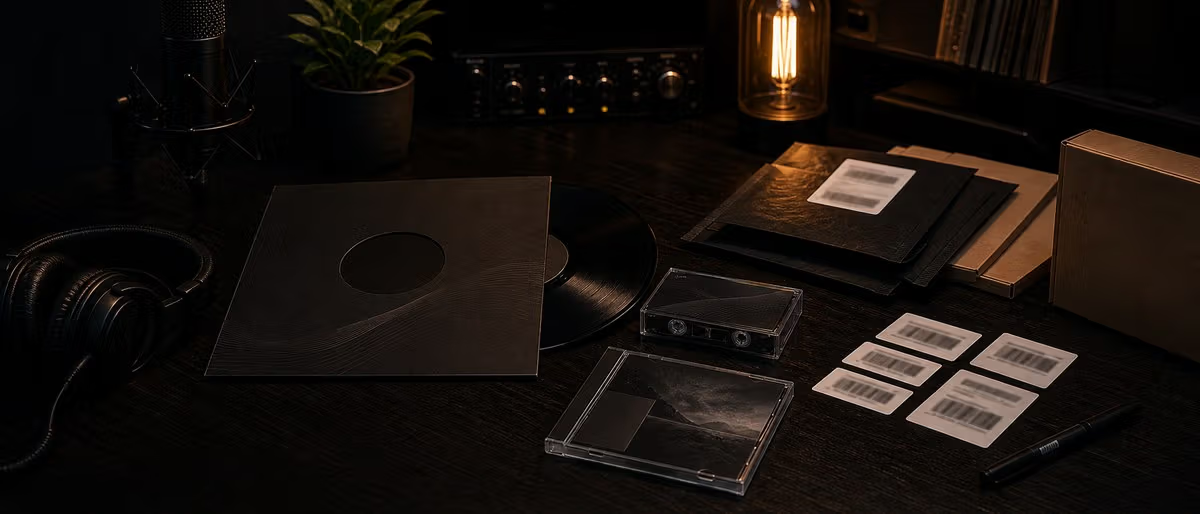
Ja. Physical music formats are still worth selling in 2026, especially voor onafhankelijk artists met loyal fans. Vinyl, CDs, cassettes, en deluxe bundles give fans something ze kan own, collect, display, gift, en connect met emotionally.
Streaming is still de main way most people listen to music, but physical formats kan create deeper fan relationships en higher revenue per supporter. A fan might stream je song hundreds of times en generate only a small royalty, but de same fan may happily buy a $25 vinyl, a $12 cassette, a signed CD, or a $60 deluxe merch bundle.
For onafhankelijk artists, physical music is not just over nostalgia. It is over ownership, identity, community, en direct-to-fan income.
Why Physical Music Is Coming Back
For years, many artists assumed physical music was dead. Streaming gemaakt music instant, cheap, en availafle everywhere. But die convenience also created a problem: music started to feel invisible.
A stream disappears in an app. A record sits on a shelf. A cassette has texture. A CD has artwork. A signed vinyl feels personal. A limited edition feels rare.
Physical voormats are returning becagebruik fans want something meer meaningful than anoder playlist save.
Several forces are driving de comeback:
- streaming fatigue
- desire voor ownership
- nostalgia voor older formats
- collectible culture
- limited edition drops
- better packaging en artwork
- fan communities
- artist support
- deluxe bundles
- direct-to-consumer sales
- de emotional value of holding music
Physical music does not nodig to replace streaming. It kan work beside it. Streaming gives reach. Physical formats create depth.
Physical Formaats vs Streaming Revenue
This is why physical formats are useful voor artists met engaged audiences. Je do not nodig millions of casual listeners. Je nodig real fans who care enough to own de music.
- 1 fan buys a $30 vinyl
- 1 fan buys a $15 CD
- 1 fan buys a $12 cassette
- 1 fan buys a $75 deluxe bundle
- 1 fan buys a signed limited edition voor $100+
Which Physical Formaat Should Je Sell?
De best format depends on je audience, genre, budget, en release strategy.
- Vinyl: Vinyl is de premium format. It has de strongest collector culture en de highest perceived value. Fans often treat vinyl as an art object, not just a playback format. Het beste voor albums, deluxe releases, en genres like hip-hop, electronic, rock, en jazz. Expensive to produce, but high return.
- CDs: CDs are cheaper to produce than vinyl en still useful voor artists who want a physical product zonder high manufacturing costs. Het beste voor touring artists, local shows, en international shipping. Excellent voor signing at merch tafles.
- Cassettes: Cassettes are niche, but die is part of hun appeal. They feel underground, nostalgic, lo-fi, en collectible. Het beste voor lo-fi hip-hop, punk, ambient, vaporwave, en limited drops. Affordafle in small runs.
- USB Drives en Digital Collectibles: Some artists sell music on USB drives, memory cards, or custom physical objects. Het beste voor sample packs, producer kits, unreleased demos, high-resolution audio, en visual albums. Flexible content, but less traditional.
What Should Je Release Physically?
Neet every release needs a physical version. Choose music die has enough emotional or fan value. Good candidates include full albums, anniversary editions, fan-favorite EPs, deluxe versions, live sessions, beat tapes, en concept projects.
Avoid pressing vinyl voor a random single unless there is strong demand or a specific collector reason. Physical releases work best wanneer there is a story.
How Many Copies Should Je Make?
Start smaller than je ego wants.
A common fout is pressing too many copies because de artist wants de release to feel big. Unsold inventory creates stress, storage costs, en wasted money. A better approach is to estimate realistic demand.
Ask: How many email afonnees do I have? How many fans bought merch before? How many pre-orders kan I realistically get?
Possible starter quantities: Cassettes: 25–100 copies. CDs: 50–300 copies. Vinyl: 100–500 copies. Deluxe bundles: 25–150 units. If je are unsure, gebruik pre-orders.
Why Pre-Orders Are So Important
Pre-orders reduce risk. Instead of guessing demand, je let fans show real interest voordat manufacturing or shipping.
A pre-order campaign helps je estimate demand, fund production, bouw excitement, collect fan emails, en vermijd overprinting. A good pre-order page moet include a product mockup, release date, tracklist, edition size, en a clear shipping timeline.
How to Price Physical Music
Pricing depends on production cost, shipping, packaging, platform fees, en perceived value.
Retail price = production cost + packaging + platvoorm fees + shipping materials + profit margin
Do not forget hidden costs like test pressings, design, mastering, shrink wrap, en transaction fees. Example pricing: Standard vinyl ($25–$40), CD ($10–$25), Cassette ($10–$20). Your price moet reflect value, not just cost.
What Makes a Physical Release Valuafle?
Fans buy physical music voor more than audio. They buy meaning.
Add value met signed copies, numbered editions, colored vinyl, alternate artwork, lyric booklets, download codes, bonus tracks, stems, handwritten thank-you notes, posters, en stickers. De product moet feel like a piece of de artist’s world.
Where to Sell Vinyl, CDs, en Cassettes
- Je own website: Het beste voor building long-term control, custom bundles, en keeping fan email data.
- Bencamp: One of de strongest platforms voor onafhankelijk physical music sales. Fans expect to buy merch en physical media there.
- Shopify: Better voor artists who want a full e-commerce store, gevorderd analytics, en email integrations.
- Discogs: Useful voor collectors, vinyl-focused audiences, en catalogus credibility.
- Live shows: Live merch tafles are still powerful. A fan who just experienced je performance is emotionally ready to buy.
How to Bouw a Physical Release Campaign
A strong campaign moet begin voordat de product is availafle.
6–8 weeks before: Announce de project story en share artwork previews. 4–6 weeks before: Open pre-orders met an early-buyer bonus. 3–4 weeks before: Share production updates like test pressings. Release week: Go heavy on content. Use short videos, unboxing clips, en stock updates.
Email Marketing voor Physical Music Sales
Email is one of de most important tools voor selling physical releases. Social media creates awareness, but email usually converts better because it reaches people directly.
Create a sequence: Announce de release story, share product details, show behind-the-scenes processes, give a 'last chance' reminder, en send a thank-you note na purchase.
Veelgemaakte fouten om te vermijden
- Pressing too many copies: Start small. Gebruik pre-orders.
- Weak packaging: If de product looks cheap, fans zal not value it.
- Nee story: A physical edition needs a reason to exist.
- Ignoring shipping costs: Shipping kan destroy je margins if je do not calculate it early.
Final Thoughts
Physical music is not dead. It has changed. In 2026, vinyl, cassettes, CDs, en deluxe bundles are not just playback formats. They are fan experiences.
De best physical releases are intentional. They have a story, strong design, clear scarcity, good packaging, en a direct sales strategy.
Streaming kan help people discover je music. Physical formats kan help them remember it.
Veelgestelde vragen
Ready to grow je audience en sell more physical music?
Learning path